01Understand what an oral mouthpiece can do
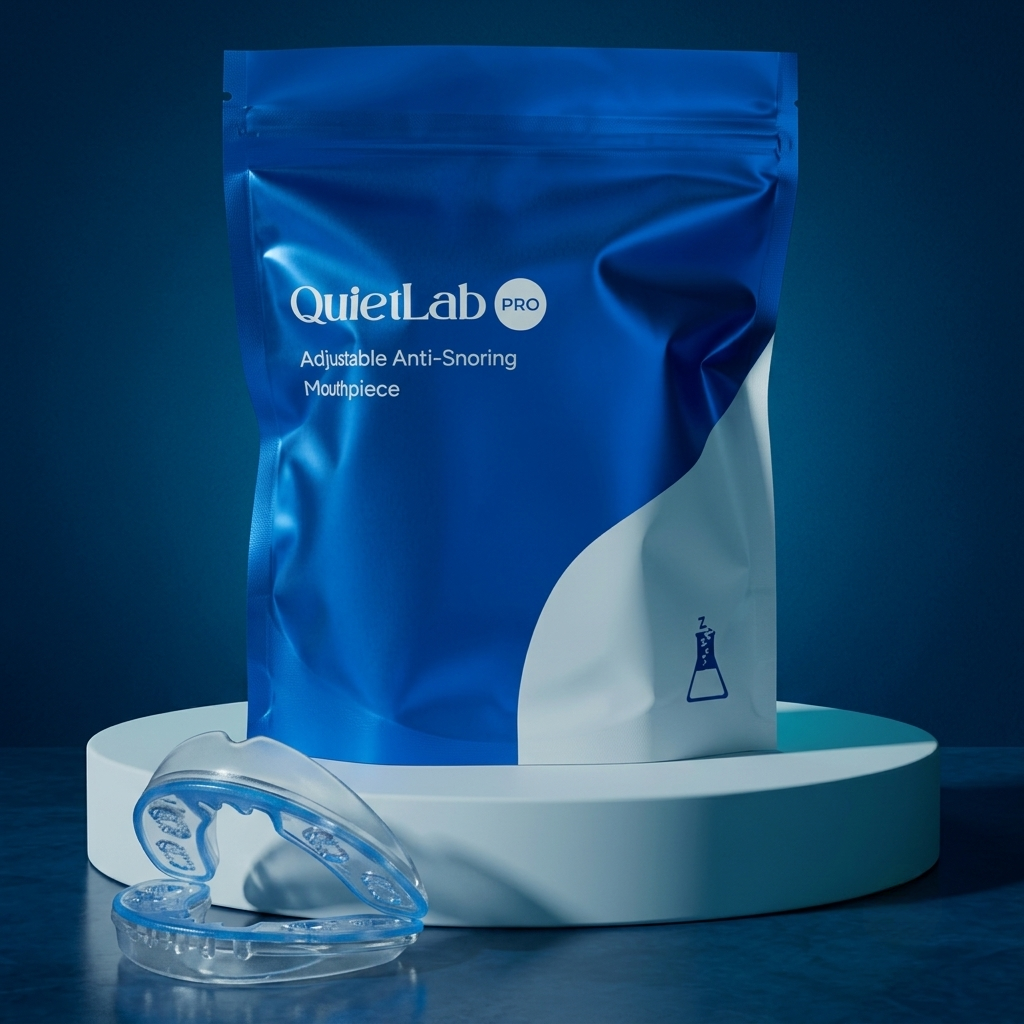
Snoring happens when airflow causes soft tissues in the upper airway to vibrate during sleep. The sound can vary with sleeping position, nasal congestion, alcohol use, and individual anatomy. An anti-snoring mouthpiece is one approach people consider when looking for quieter nights. Oral devices may work by changing the position of the lower jaw, but the right option depends on the person and the device. QuietLab Pro is presented as an adjustable anti-snoring mouthpiece; consult the included instructions to understand its particular fitting and adjustment process.
It is important to distinguish snoring from a medical diagnosis. A mouthpiece should not be assumed to treat obstructive sleep apnea, and quieter snoring does not prove that breathing is normal. If someone notices pauses in your breathing, choking during sleep, morning headaches, or persistent daytime sleepiness, speak with a qualified healthcare professional. Those symptoms deserve assessment rather than a trial-and-error shopping decision. A thoughtful bedtime routine starts with understanding your needs, not simply covering up a sound.
02Make fit your first priority
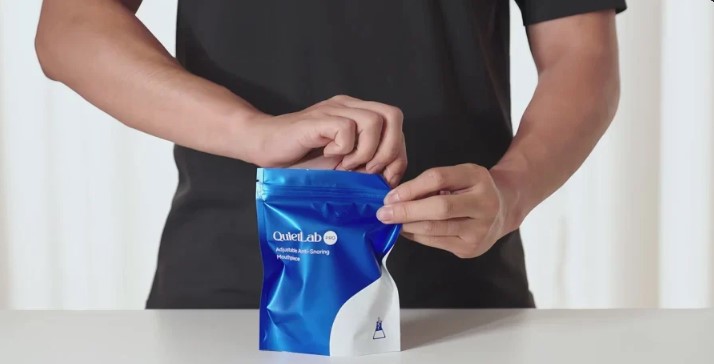
A mouthpiece is something you wear, not merely something you place on your nightstand. Fit therefore deserves time and attention. Before first use, read the complete instructions supplied with your QuietLab Pro and check any eligibility warnings. Inspect the mouthpiece in good light, identify its upper and lower portions, and make sure you understand how its adjustable features are intended to work. Do not guess at heating temperatures, fitting times, or adjustment settings; those details must come from the manufacturer’s current instructions.
The aim is a secure fit that does not require force and does not create significant discomfort. More adjustment is not automatically better, and moving through settings quickly can make it harder to understand what feels right. Follow the approved sequence and avoid changing several things at once. If the device feels unstable, interferes with comfortable breathing, or causes pain, stop using it and seek advice. A dentist can help you consider whether your teeth, gums, bite, and jaw are suitable for an oral device.
03Give your evening a calmer rhythm
A consistent bedtime routine can make trying a new mouthpiece feel less complicated. Start by setting aside a few quiet minutes before bed rather than rushing the fitting process when you are already sleepy. Wash your hands, check that the device is clean, and follow the supplied directions for insertion. Keep its storage case somewhere dry and easy to reach. Small practical details help a new routine become familiar without turning every evening into a project.
Comfort is personal, and adjustment experiences can differ. Notice how your mouth and jaw feel rather than expecting a particular timeline or a guaranteed result. You may want to keep a simple written note about fit, comfort, and any questions to raise with your dentist. Avoid treating one good or difficult night as a final verdict. However, do not continue through persistent pain in the hope that it will disappear. A gentle routine should still put your health and comfort ahead of consistency.
04Care for the mouthpiece you use every night
Daily care is part of using any reusable oral device responsibly. Follow the manufacturer’s cleaning directions, including guidance on water temperature and compatible cleaning products. Unless the instructions specifically allow them, avoid harsh chemicals, abrasive tools, and very hot water, which may damage some mouthpiece materials. Rinse and clean the areas that contact your teeth and gums, and give the device the drying time recommended in its care guide before storage.
Make a quick visual check part of the routine. Look for cracks, distortion, rough edges, or changes that affect the fit. Do not keep using a damaged mouthpiece, and do not attempt repairs with household adhesives. Store it away from pets, children, direct sunlight, and heat sources. A protective case can help keep the device separate from other bathroom or bedside items, but a case is not a substitute for cleaning. Consult the official product information for replacement guidance rather than assuming every device has the same lifespan.
05Consider the whole sleep environment
A mouthpiece can be one part of a broader approach to bedtime, but it does not replace healthy sleep habits or medical advice. A regular sleep schedule, a comfortable room, and a wind-down routine may help make evenings more predictable. Sleeping position can influence snoring for some people; discuss appropriate changes with a clinician if you have specific health concerns. Nasal obstruction, allergies, and other breathing issues may also need attention that an oral mouthpiece cannot provide.
If you share a bedroom, make the conversation supportive rather than turning snoring into blame. Ask what your partner notices and explain that you are exploring a practical option, not promising a silent night. Their observations may be useful, particularly if they notice breathing pauses or gasping. Keep expectations realistic: experiences with oral devices vary, and no product can promise the same outcome for every person. The goal is an informed, comfortable routine that respects the sleep and wellbeing of everyone involved.
06Know when to ask a professional
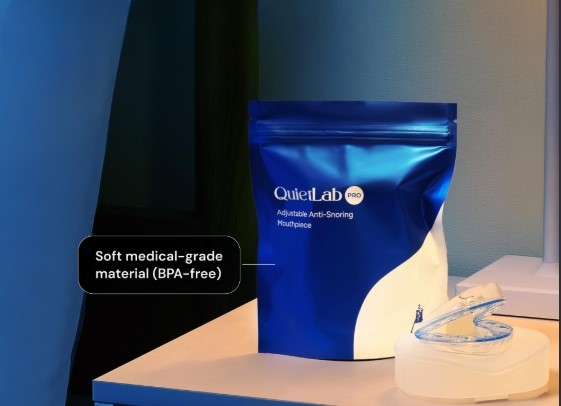
Before choosing an oral device, speak with a dentist or clinician if you have loose teeth, gum disease, ongoing dental treatment, jaw joint concerns, or another condition that may affect suitability. Dentures, extensive dental work, and existing bite issues can also change what is appropriate. These are examples, not a complete eligibility checklist. The product’s current instructions and a professional assessment should guide your decision. Do not assume that a soft material makes a mouthpiece suitable for every mouth.
Stop use and seek guidance if you experience significant jaw pain, tooth pain, gum irritation, an uncomfortable change in your bite, or trouble breathing with the device. Persistent daytime sleepiness and suspected sleep apnea should be evaluated even if the sound of snoring seems to improve. QuietLab Pro is a consumer product to explore with care, not a replacement for diagnosis or a treatment plan. Making space for professional advice is part of choosing a more comfortable night, not a failure of the routine.